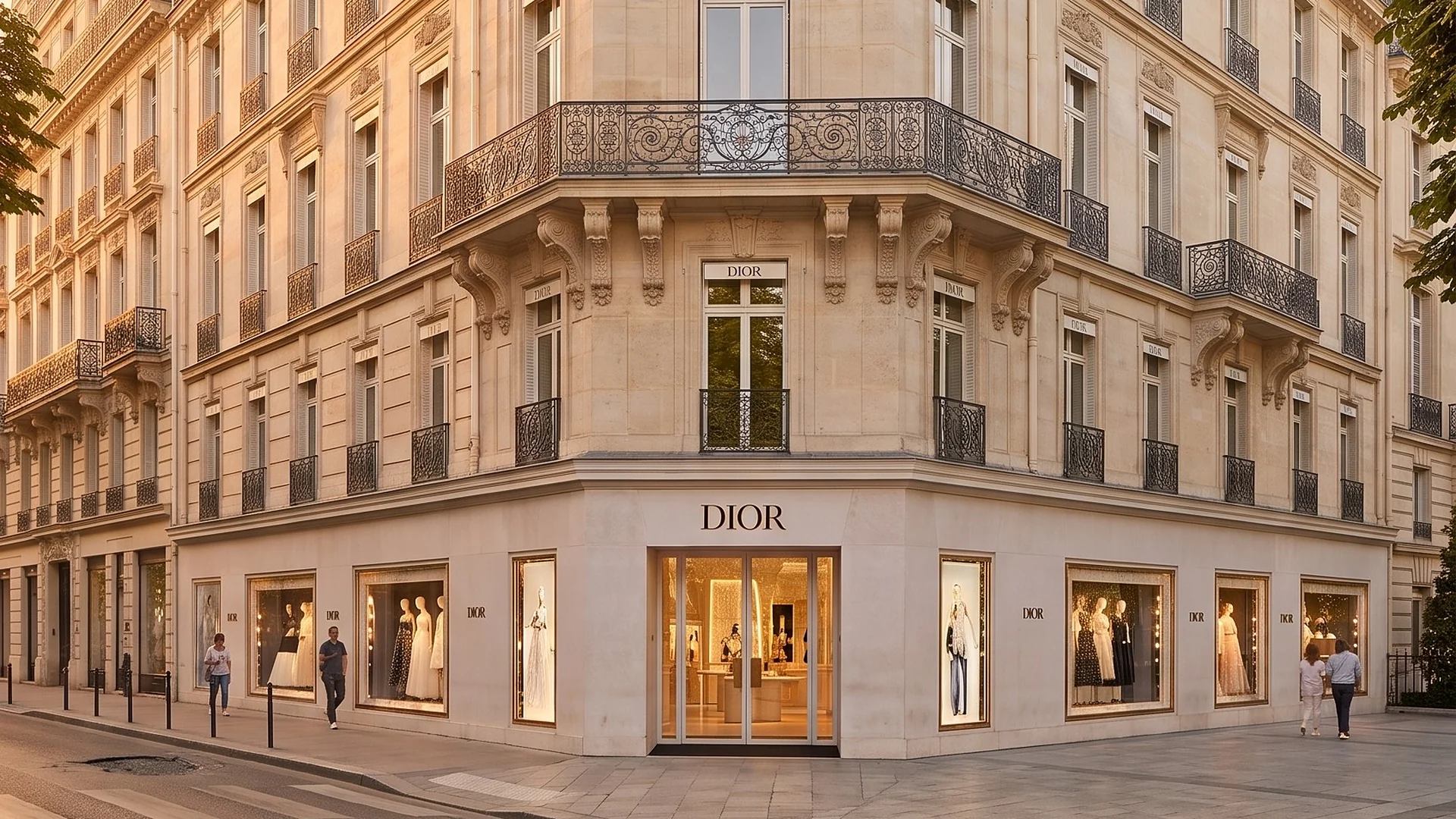
Haussmann-style building housing the Dior flagship on Avenue Montaigne, with illuminated window displaysDior boutique facade on Avenue Montaigne at sunset
< Retour

La Galerie Dior, Avenue Montaigne

Dior boutique on the corner of a Haussmann-style building on Avenue Montaigne in Paris

At 30 Avenue Montaigne, the private mansion where the Dior legend was born and established in 1946 has become much more than a legendary address. Following an ambitious renovation, this historic site now houses a sublime 10,000 m² space combining a boutique, workshops, lush gardens, and, above all, La Galerie Dior, a permanent museum dedicated to the House's heritage.

Designed by architect Nathalie Crinière, this gallery spans two levels and 2,000 m², retracing the Dior epic through iconic pieces, precious archives, and immersive scenography. Visitors can discover Monsieur Dior’s office, the stairs where the first models walked, and contemporary art installations. A vibrant tribute to the House's creative audacity and timeless elegance, right in the heart of its historic birthplace.
Vous aimerez aussi

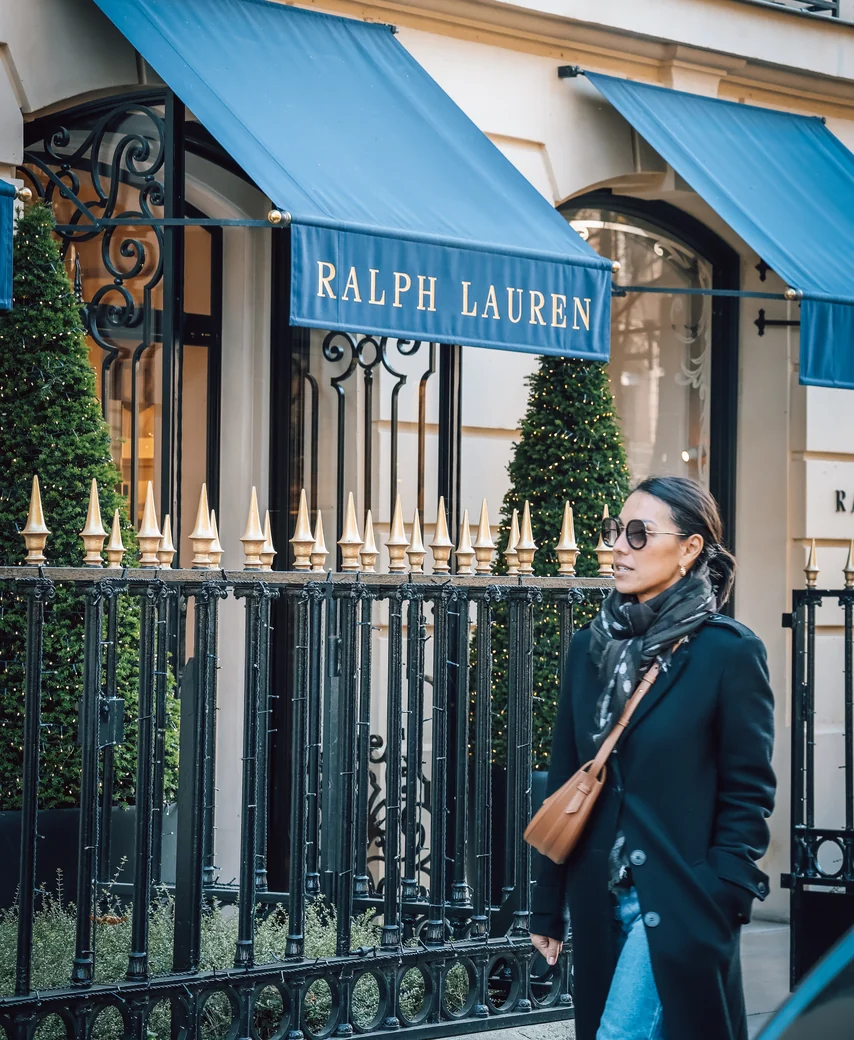
A woman wearing a black coat, a scarf, and sunglasses walks in front of a Ralph Lauren boutique with blue awnings and an ornamental black gate.

Avenue Montaigne, the high-fashion mecca

While Avenue Montaigne is a must-visit today for anyone looking to admire the latest inspirations from the greatest couturiers, that was not always the case.

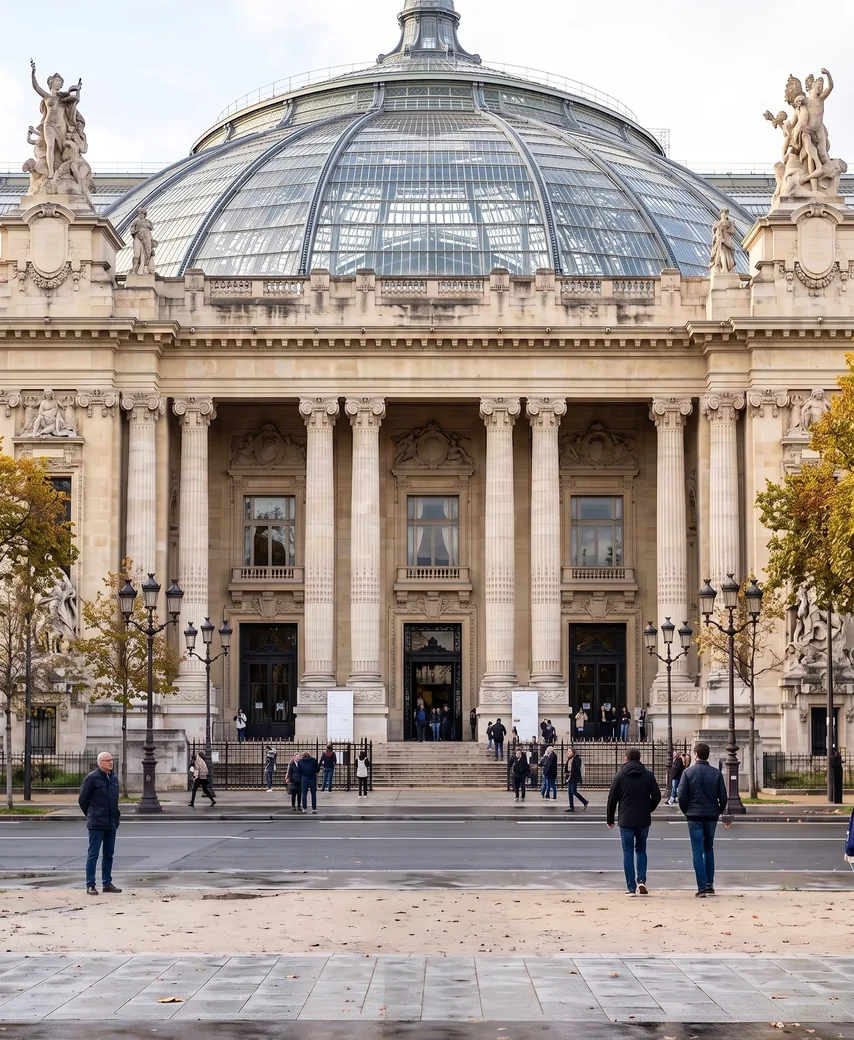
Facade of the Grand Palais in Paris with a large domed glass roof, imposing columns, and decorative sculptures, with people walking and standing in front of the entrance.

The Grand Palais for the world's elite

Designed by architects Henri Deglane, Albert Louvet, and Albert Thomas, this eclectic monument blends neoclassicism, Art Nouveau, and modernity—a distillation of French Belle Époque influences.

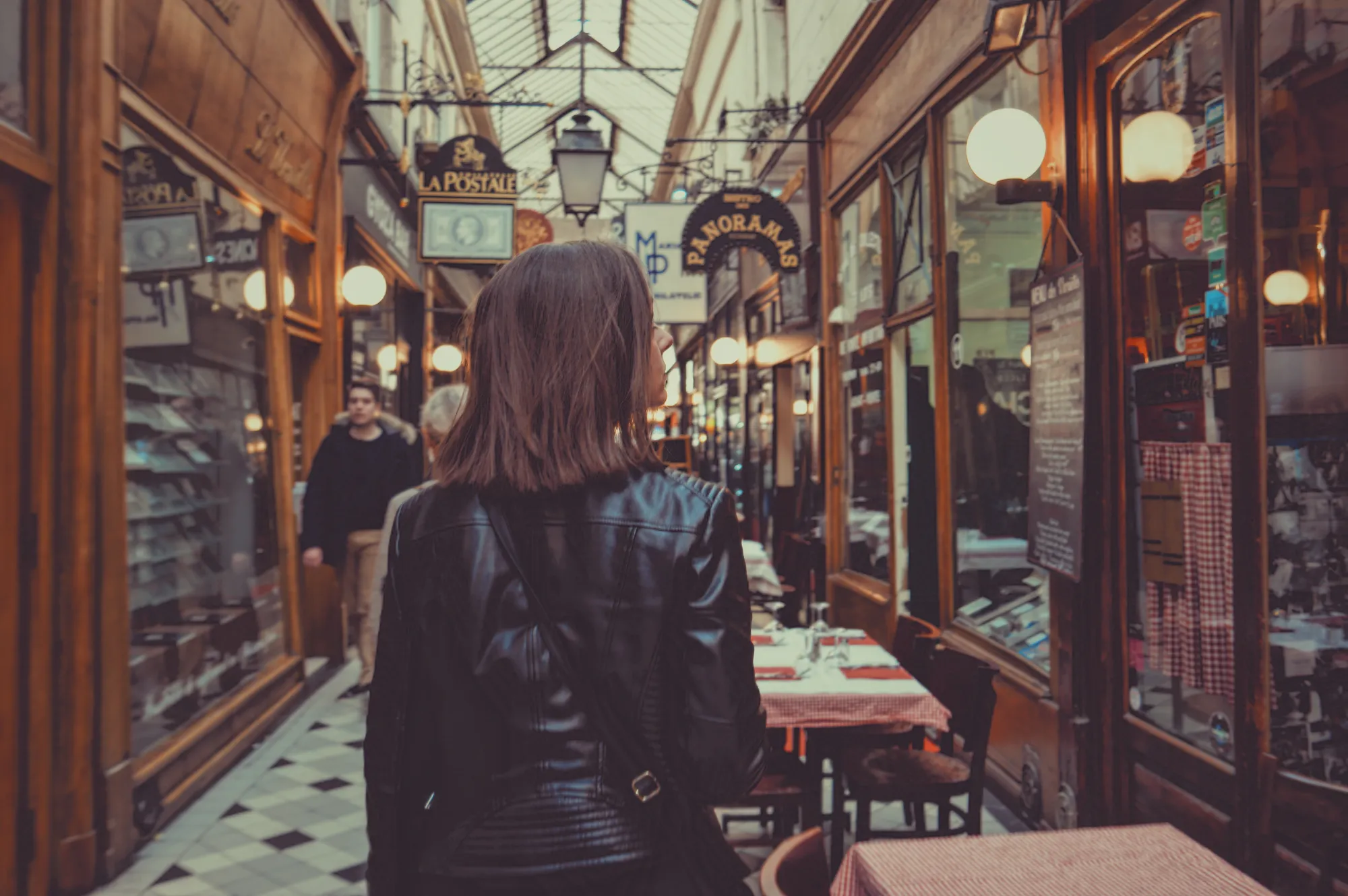
A woman seen from behind wearing a black leather jacket, walking in a covered gallery with shops and restaurant tables with red checkered tablecloths.

Paris and its secret passages

Venture into 19th-century Paris, where light dances through glass roofs and every step echoes on flagstones laid over 200 years ago. The covered passages, the capital's hidden gems, are marvels of glass and iron born from the architectural audacity of an era in the midst of the Industrial Revolution.